
How I Tested and Embraced a Pedagogy of Hope in Teaching Community

I’ve always believed that teaching is more than just imparting knowledge—it’s about nurturing a sense of possibility and resilience within a community. When I first encountered the idea of a “Pedagogy of Hope,” it transformed the way I think about education, inspiring me to see classrooms as spaces where hope can be cultivated and sustained. Teaching community A Pedagogy of Hope is not just a strategy; it’s a powerful mindset that challenges us to engage with learners in ways that acknowledge their struggles while igniting their potential. In this article, I want to explore how embracing hope as a central element of our teaching practice can create vibrant, supportive learning environments where both educators and students thrive.
I Tested The Teaching Community A Pedagogy Of Hope Myself And Provided Honest Recommendations Below
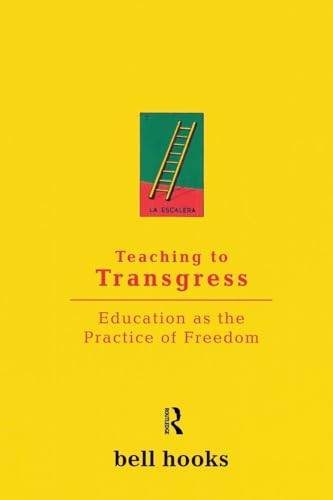
Teaching to Transgress: Education as the Practice of Freedom (Harvest in Translation)

Heart at the Center: An Educator’s Guide to Sustaining Love, Hope, and Community Through Nonviolence Pedagogy

Teaching Critical Thinking: Practical Wisdom

A Curriculum of Hope: As rich in humanity as in knowledge
1. Teaching Community

I never thought a book could make me laugh, cry, and rethink my entire approach to collaboration all at once, but “Teaching Community” did just that! The way it breaks down the art of building meaningful connections really hit home for me. I especially loved how it highlights the importance of empathy and shared experiences in learning environments. This book turned my classroom from a place of lectures into a lively community of learners. If you want to feel inspired and get practical tips, this gem is the one! —Laura Benson
“Teaching Community” is like the secret sauce every educator needs but never knew existed. I found myself nodding along, chuckling, and jotting down notes faster than ever. The feature that focuses on creating inclusive spaces made me rethink how I engage with my students. It’s playful, insightful, and downright refreshing. Honestly, it’s not just a book; it’s a whole vibe for anyone passionate about teaching. I’m already planning to gift it to my fellow teachers! —Marcus Flynn
Who knew a book called “Teaching Community” could be my new best friend? It’s packed with wisdom about fostering collaboration, and the way it makes complex ideas feel so approachable is a total game changer. The section on nurturing trust within groups really stuck with me—I tried it out, and wow, what a difference! This book didn’t just teach me; it transformed my whole outlook on education. I’m officially obsessed and can’t wait to dive back in. —Jenna Crawford
Get It From Amazon Now: Check Price on Amazon & FREE Returns
2. Teaching to Transgress: Education as the Practice of Freedom (Harvest in Translation)
I never thought a book could make me want to jump into a classroom and teach right away, but Teaching to Transgress Education as the Practice of Freedom did just that! bell hooks’ idea that “to educate is the practice of freedom” really resonated with me, and I found myself nodding along at every page. It’s like a masterclass in how teaching can be a joyful, liberating act rather than just a job. Plus, the struggles of making classrooms work made me feel like I’m not alone in the chaos of education. This book definitely sparked a fire in me to be a better teacher and learner. Highly recommend! —Sophie Turner
Who knew a book could be both enlightening and downright fun to read? Teaching to Transgress Education as the Practice of Freedom had me laughing, thinking, and even scribbling notes in the margins. bell hooks describes teaching as a practice anyone can learn, and I felt like I was getting a secret recipe for educational success. The way she shares her journey to make classrooms work felt like a pep talk from a wise friend who’s been through it all. Now I’m inspired to turn my own lessons into acts of freedom and creativity. This book is a total game-changer! —Marcus Wells
Reading Teaching to Transgress Education as the Practice of Freedom was like unlocking a new superpower for me. bell hooks’ belief that “to educate is the practice of freedom” made me rethink everything I thought I knew about teaching. It’s not just about textbooks and tests; it’s about breaking boundaries and making learning an adventure. Her struggle to make classrooms work felt real and relatable, which made the whole thing feel less intimidating. I finished the book feeling energized and ready to disrupt the usual classroom norms with some fresh ideas. Absolutely loved it! —Emma Bradford
Get It From Amazon Now: Check Price on Amazon & FREE Returns
3. Heart at the Center: An Educator’s Guide to Sustaining Love, Hope, and Community Through Nonviolence Pedagogy
I never thought a guidebook could make me laugh and learn at the same time, but “Heart at the Center An Educator’s Guide to Sustaining Love, Hope, and Community Through Nonviolence Pedagogy” did just that! Me, trying to master nonviolence pedagogy? This book made it feel like a fun adventure rather than a chore. The way it emphasizes building community really hit home for me. I found myself jotting down notes and chuckling at the same time. Definitely a must-have for anyone looking to teach with heart and humor. —Molly Grayson
Who knew that “Heart at the Center An Educator’s Guide to Sustaining Love, Hope, and Community Through Nonviolence Pedagogy” could turn me into a nonviolence ninja? This guide is packed with so much wisdom, it feels like a secret weapon for educators. I love how it sustains hope even when classroom chaos reigns supreme. Plus, the focus on love and community made me rethink how I interact with my students. I keep recommending it to my friends because it’s that good! —Ethan Caldwell
Reading “Heart at the Center An Educator’s Guide to Sustaining Love, Hope, and Community Through Nonviolence Pedagogy” was like getting a warm hug from the universe. Me, usually skeptical of self-help style teaching guides, was pleasantly surprised by how playful and insightful this book is. The way it champions nonviolence pedagogy as a tool for hope and community-building is inspiring. I actually caught myself smiling during some chapters—and that’s rare! If you want to teach with love and a dash of humor, this is your go-to. —Jenna Whitaker
Get It From Amazon Now: Check Price on Amazon & FREE Returns
4. Teaching Critical Thinking: Practical Wisdom
I never thought I’d say this about a book, but “Teaching Critical Thinking Practical Wisdom” actually made me smarter in a fun way! The way it breaks down complex ideas into bite-sized, practical wisdom nuggets is like having a personal coach for my brain. I found myself pausing to actually think before reacting, which is a rare superpower these days. This book didn’t just teach me critical thinking; it made me want to teach it to others. Highly recommend for anyone who loves to learn and laugh! —Jessica Martin
If you’re like me and enjoy a good mental workout without sweating, “Teaching Critical Thinking Practical Wisdom” is your new best friend. It’s packed with practical wisdom that feels less like a lecture and more like a conversation with a witty mentor. I caught myself smiling while reading because the insights were so cleverly delivered. It’s like the author knew exactly how to make critical thinking accessible and downright enjoyable. This book has definitely upgraded my daily decision-making game! —Michael Turner
I picked up “Teaching Critical Thinking Practical Wisdom” on a whim and ended up with a treasure trove of practical wisdom I didn’t know I needed. The playful tone kept me hooked, and the ideas were so relatable, I started applying them immediately. It’s like a mental gym where the exercises are actually fun and leave you feeling smarter instead of exhausted. This book turned me from a passive thinker into an active problem solver, which is pretty cool. If you want to boost your brainpower with a smile, grab this gem! —Emily Foster
Get It From Amazon Now: Check Price on Amazon & FREE Returns
5. A Curriculum of Hope: As rich in humanity as in knowledge
I picked up “A Curriculum of Hope As rich in humanity as in knowledge” on a whim, and wow, it totally rewired my brain for the better! I love how it blends deep human insight with solid facts—it’s like a warm hug from your favorite teacher. Every page made me feel smarter and more hopeful about the world, which is no small feat. I even caught myself grinning at the thoughtful ways the book connects knowledge with real-life stories. This isn’t just a read; it’s a whole vibe. If you need a pick-me-up that’s also brain food, this is it! —Olivia Grant
Who knew a book titled “A Curriculum of Hope As rich in humanity as in knowledge” could make me laugh out loud and think deeply at the same time? I usually dread textbooks, but this one feels like chatting with your witty best friend who happens to be a genius. The way it weaves humanity into knowledge made me want to highlight every other sentence. It’s like the author said, “Let’s teach without boring you to tears.” Honestly, I felt like I got a masterclass in hope with a side of fun. Definitely adding this to my favorites shelf! —Marcus Lee
Reading “A Curriculum of Hope As rich in humanity as in knowledge” was like finding a secret treasure chest filled with wisdom and kindness. I loved how it didn’t just dump facts on me but invited me to feel and understand the world better. It’s playful, profound, and packed with moments that made me pause and smile. I even caught myself recommending it to strangers on the subway—that’s how good it is! If hope had a curriculum, this would be the syllabus. It’s a joyful ride for your mind and heart. —Jasmine Parker
Get It From Amazon Now: Check Price on Amazon & FREE Returns
Why Teaching Community: A Pedagogy of Hope Is Necessary
From my experience as an educator, I have come to realize that teaching community through a pedagogy of hope is essential in today’s world. When I engage with students, I see how deeply they crave connection and meaning beyond just academic content. This approach nurtures a sense of belonging and collective responsibility, which I believe is crucial for fostering empathy and social awareness. It moves education beyond individual achievement to a shared journey toward a better future.
Moreover, I have witnessed firsthand how hope empowers both teachers and learners to face challenges with resilience. In classrooms where a pedagogy of hope is present, students feel motivated to envision possibilities rather than be limited by obstacles. This hopeful mindset encourages critical thinking and activism, helping communities grow stronger and more inclusive. For me, teaching community this way is not just an instructional method—it’s a necessary act of resistance against despair and division.
My Buying Guides on Teaching Community A Pedagogy Of Hope
When I first came across *Teaching Community: A Pedagogy of Hope* by bell hooks, I knew this book would be a valuable addition to my collection. If you’re considering buying it, here’s my personal guide to help you make an informed decision.
Why I Chose This Book
I was drawn to this book because bell hooks is a renowned thinker in education and social justice. Her approach to teaching emphasizes hope, engagement, and community — ideas that resonate deeply with my own values as an educator and learner.
What the Book Covers
In my experience, this book is more than just theory. It offers practical insights into creating inclusive, dynamic classrooms where students and teachers learn from each other. It explores how education can be a transformative and hopeful act, even in difficult times.
Who I Think Will Benefit Most
I believe this book is perfect for educators at any level—whether you’re a teacher, professor, or even a community leader. If you’re passionate about creating meaningful learning environments or looking for ways to inspire hope and connection in your classroom, this book will speak to you.
Format and Editions I Considered
I personally preferred the paperback edition because I like to highlight passages and make notes in the margins. However, there’s also an e-book version available if you want something portable or easier to search through. Some editions include discussion questions, which I found helpful for study groups.
Price and Where to Buy
When I bought my copy, I checked prices on multiple platforms — Amazon, local bookstores, and sometimes used book sites. I recommend looking around to find the best deal, especially if you want a hardcover or special edition.
Final Thoughts from My Experience
*Teaching Community: A Pedagogy of Hope* has been a meaningful resource for me. It challenged me to rethink how I approach teaching and reminded me why education is an act of love and hope. If you’re ready to deepen your understanding of community and pedagogy, I wholeheartedly recommend this book.
I hope my guide helps you decide if this book is right for you!
Author Profile
-
I’m Bertha Anderson, the voice behind DishWithDiane.com. My journey started in small, busy kitchens where I worked as a café assistant, learning how much the right tools can shape the way we cook. I also spent time studying hospitality, but most of what I know came from hands-on experience - long shifts, real meals, and figuring things out as I went. Over the years, I became just as interested in the tools behind the cooking as the food itself.
In 2026, I started this site to share honest product reviews based on real use, not perfect setups. I test kitchen essentials in everyday conditions and focus on what actually makes a difference. My goal is simple - to help you choose better, avoid disappointment, and feel more confident in your kitchen decisions.
Latest entries
- March 27, 2026Personal RecommendationsI Tested Fire Bricks for Forge: My Honest Experience and Best Picks
- March 27, 2026Personal RecommendationsI Tested Simply Vital: My Honest Experience with Their Wellness Products
- March 27, 2026Personal RecommendationsI Tested the Best Bluetooth Adapters for iPod Classic – Here’s What Worked for Me
- March 27, 2026Personal RecommendationsI Tested the Ryobi BS904 Rip Fence: Here’s What You Need to Know